How to Differentiate Between Rubber and TPO Roofing Materials


Understanding Roofing Materials
When selecting roofing materials, it's essential to understand the differences between various options to make an informed decision. Two popular choices are rubber and TPO (Thermoplastic Olefin) roofing materials. Knowing their unique characteristics can help you determine which is best for your needs.
What is Rubber Roofing?
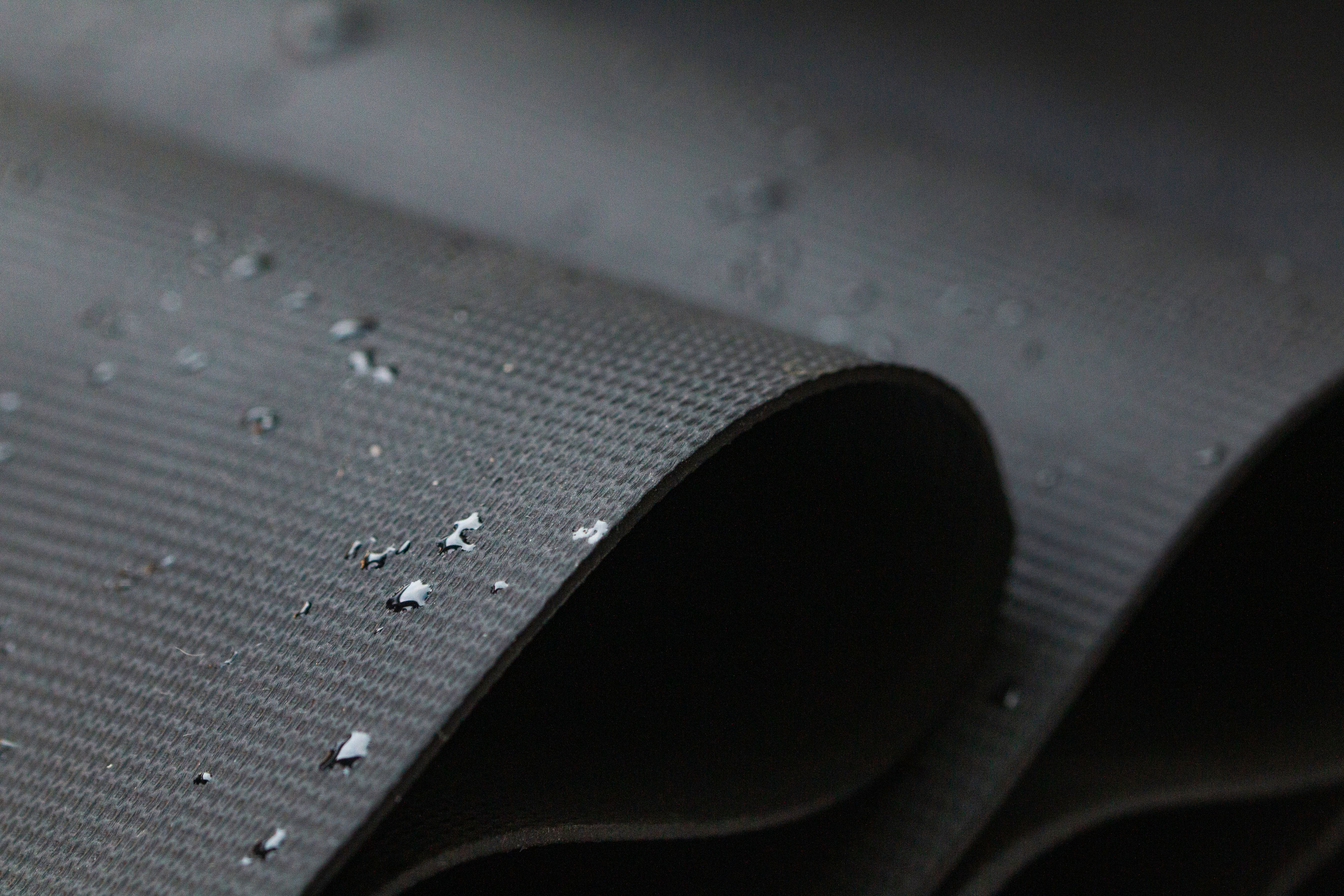
Rubber roofing, often referred to as EPDM (Ethylene Propylene Diene Monomer), is a durable and flexible material commonly used for flat and low-slope roofs. It is known for its excellent weather resistance and longevity. Rubber roofing is typically available in large sheets, which minimizes seams and reduces the potential for leaks.
Advantages of Rubber Roofing
Rubber roofing offers several benefits, including:
- Durability: Can last up to 50 years with proper maintenance.
- Weather Resistance: Withstands extreme weather conditions.
- Eco-Friendly: Often made from recycled materials.
Exploring TPO Roofing
TPO roofing is a single-ply membrane known for its energy efficiency and cost-effectiveness. It is made from a blend of polypropylene and ethylene-propylene rubber. TPO is favored for its reflective properties, which help reduce energy costs by reflecting sunlight.
Benefits of TPO Roofing
Here are some advantages of TPO roofing:
- Energy Efficiency: Reflective surface reduces cooling costs.
- Cost-Effective: Typically less expensive than other roofing materials.
- Seam Strength: Heat-welded seams provide excellent leak resistance.
Comparing Installation Processes
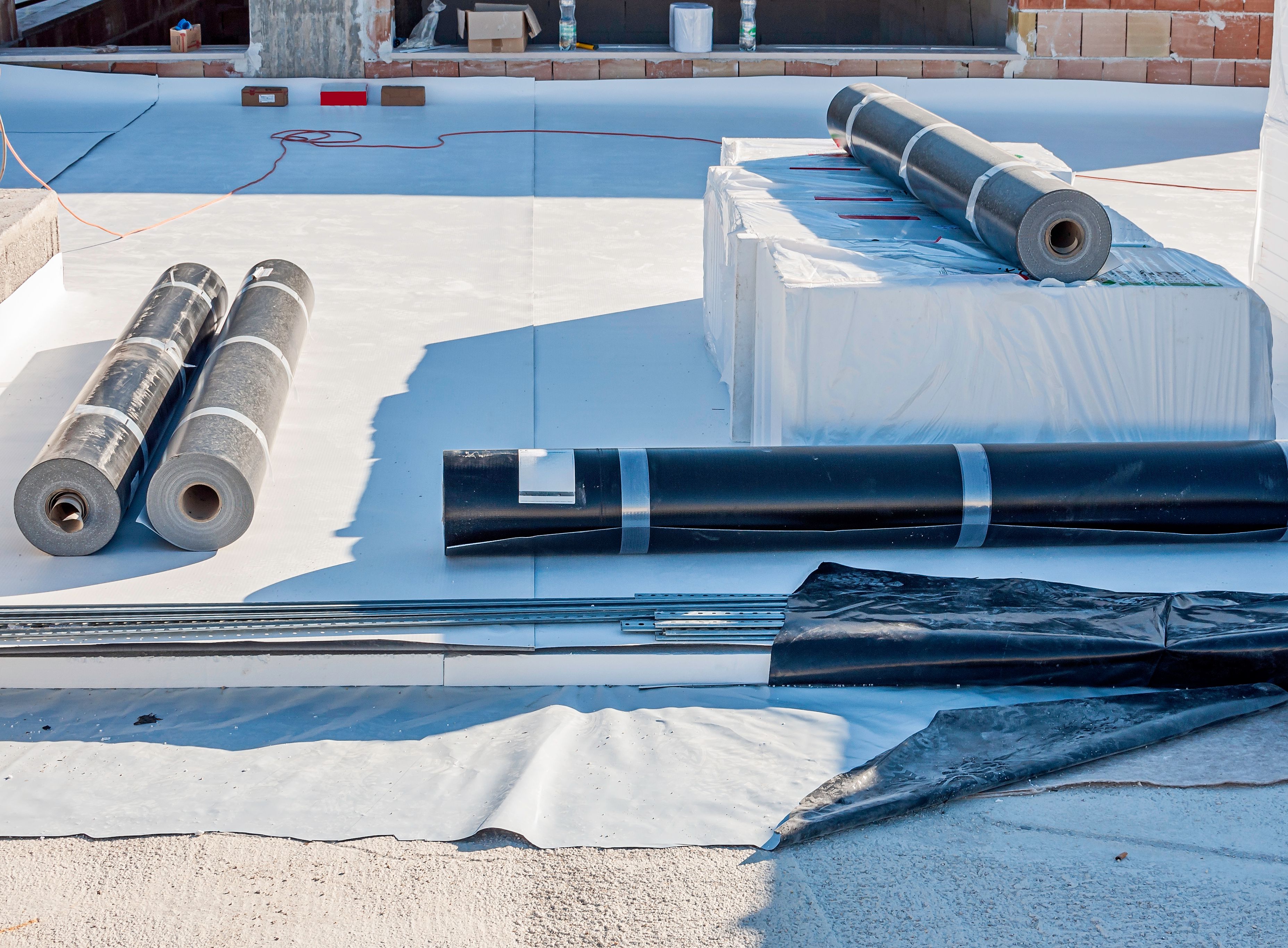
Both rubber and TPO roofing require professional installation, but there are differences in the process. Rubber roofing is often glued down, while TPO can be mechanically attached or fully adhered. The choice of installation method can impact the overall cost and lifespan of the roof.
Maintenance and Longevity
Regular maintenance is crucial for both rubber and TPO roofing to ensure a long lifespan. Rubber roofs may require periodic resealing, while TPO roofs need regular inspections to maintain their reflective surface. Both materials are designed for longevity, but their lifespan can vary based on environmental factors and upkeep.
Making the Right Choice
Choosing between rubber and TPO roofing depends on various factors, including budget, energy efficiency needs, and environmental conditions. If you prioritize energy savings and cost-effectiveness, TPO might be the best option. However, if you're looking for longevity and durability, rubber roofing could be your ideal choice.
In conclusion, understanding the distinctions between rubber and TPO roofing materials can help you make a more informed decision. Consider your specific needs and consult with a professional roofer to determine the best material for your project.