Expert Insights: How Weather Impacts Your Roof in New Jersey


Introduction to Weather and Roofing
In New Jersey, the weather can be quite unpredictable, impacting various aspects of daily life, including the integrity of your roof. From harsh winters to humid summers, understanding how weather affects roofing is crucial for homeowners. This article explores expert insights into how different weather conditions influence your roof's lifespan and performance.

The Impact of Snow and Ice
During the winter months, snow and ice are significant concerns for New Jersey residents. Heavy snowfall can add considerable weight to your roof, leading to potential structural damage. Ice dams, which form when melting snow refreezes at the roof's edge, can cause water to seep under shingles, resulting in leaks.
To mitigate these issues, ensure your roof is well-insulated and ventilated. Proper insulation helps maintain a consistent roof temperature, reducing the risk of ice dam formation.
Effects of Rain and Humidity
New Jersey's spring and summer seasons often bring heavy rain and high humidity. Excessive moisture can lead to mold, mildew, and rot, compromising the roof's structural integrity. It's crucial to ensure gutters and downspouts are clear and functional to direct water away from the roof.
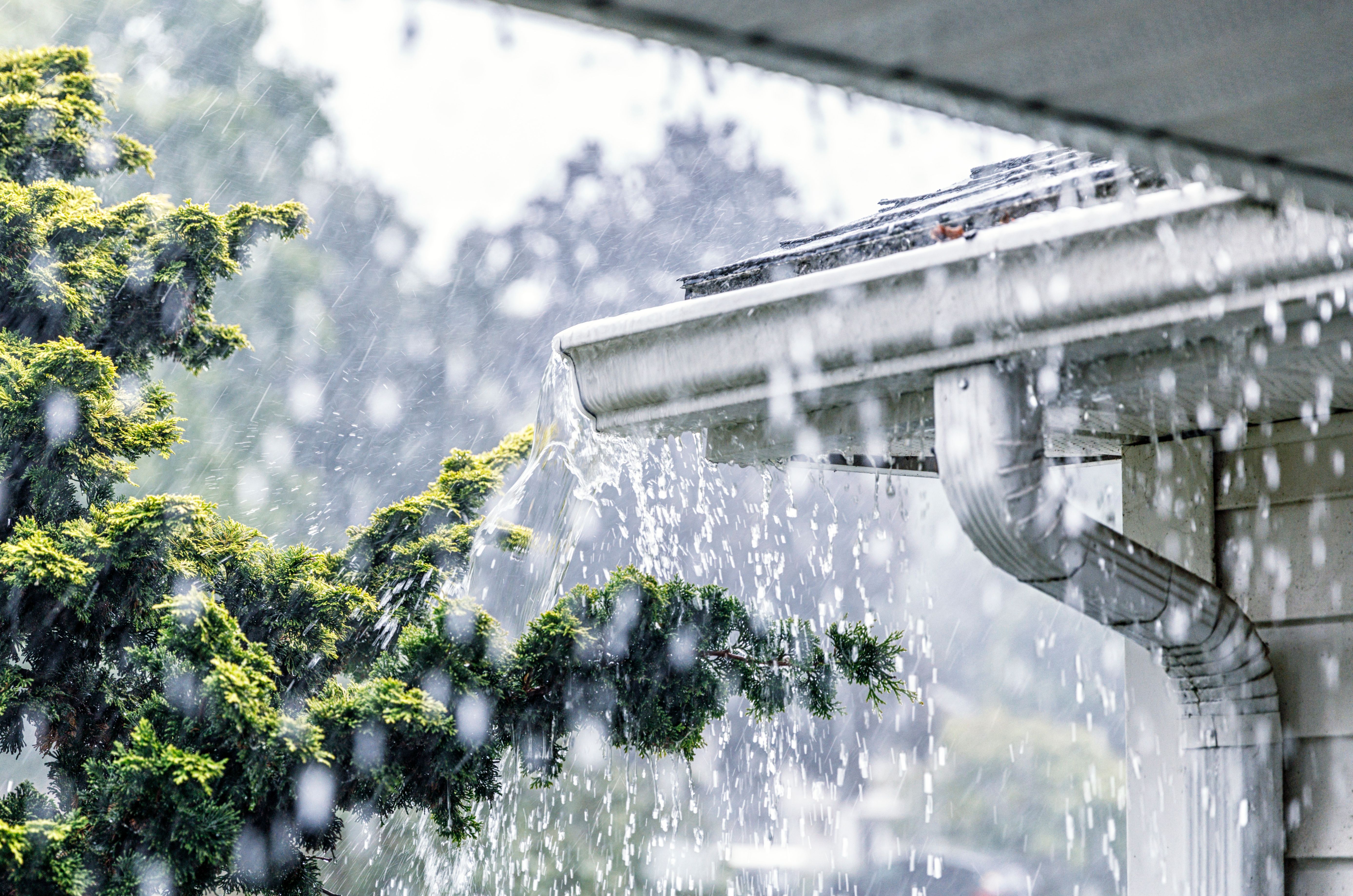
Regular inspections can help identify areas vulnerable to water damage. Look for signs such as water stains on the ceiling or missing shingles, which may indicate underlying issues.
High Winds and Storms
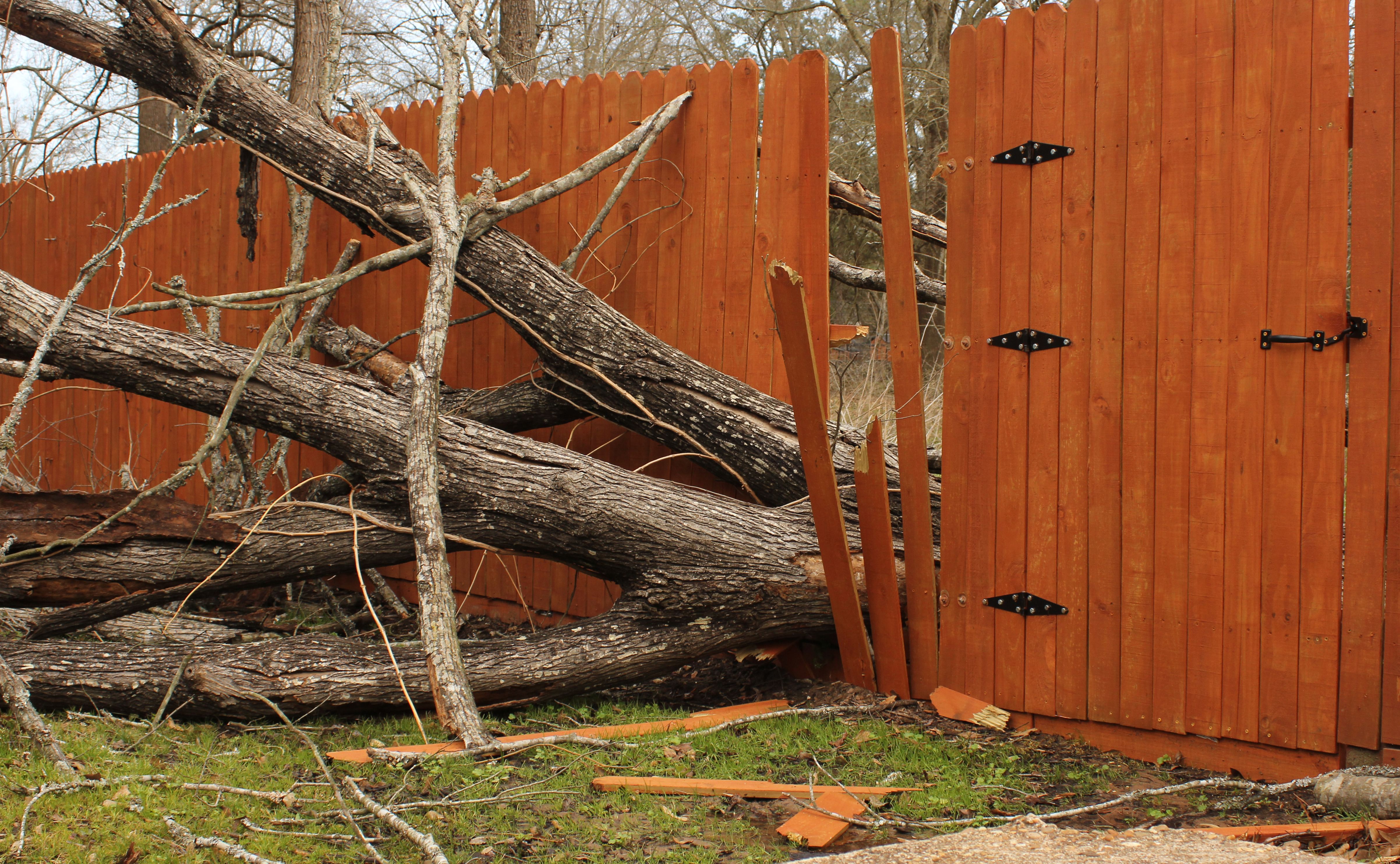
Storms and high winds are common in New Jersey, particularly during hurricane season. These conditions can lift shingles, tear off roofing materials, and cause debris to impact the roof surface. To protect your roof, ensure that shingles are properly secured and replace any that are damaged or missing.
Consider installing wind-resistant roofing materials to provide additional protection against severe weather events.
Preventive Measures and Maintenance Tips
Regular maintenance is key to prolonging your roof's lifespan. Consider these preventive measures:
- Schedule bi-annual professional inspections to identify potential issues early.
- Trim overhanging branches to reduce debris and minimize damage risk.
- Clear gutters regularly to ensure proper drainage.
Conclusion
Weather in New Jersey presents unique challenges for maintaining a healthy roof. By understanding the effects of different weather conditions and implementing preventive measures, homeowners can protect their roofs from damage. Regular maintenance and timely repairs will ensure your roof remains resilient against New Jersey's diverse climate.